Nutrition
Protein for women over 40: how much do you actually need?
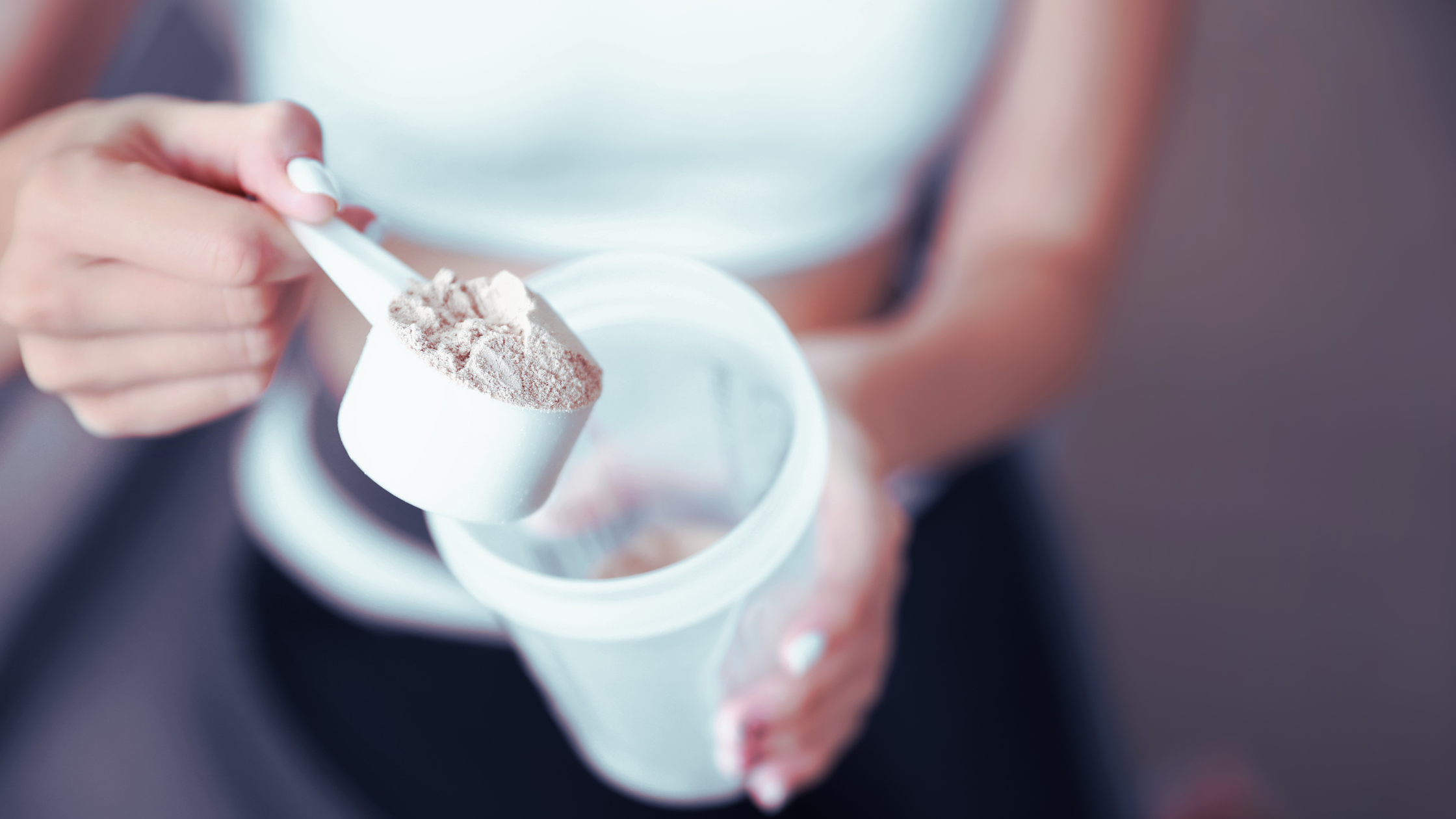
Getting enough protein after 40 is one of the most consistent things I hear women struggle with — and one of the things that made the biggest difference to my own energy and blood sugar stability. Here's what the evidence says, and what works in practice.
Please always consult your healthcare professional before changing your diet.
A few years ago, I started noticing I was losing muscle and feeling tired more easily, even though I was still training consistently. My blood sugar had already become harder to manage as my hormones shifted — that battle I've written about before — but I also started wondering whether I was simply not eating enough protein.
The honest answer was: no, I wasn't. I'd look at my plate and think it looked balanced, but when I actually tracked my intake I was hitting maybe 60–70g on a good day. For a woman my size, in my 40s, that's not enough.
The thing that helped me understand this wasn't another generic article about eating more chicken. It was realising that my body, at this stage of life, handles protein differently — and needs considerably more of it than the official guidelines suggest.
As a busy mum, getting whole-food protein into every meal — especially breakfast — isn't always realistic. I used to travel regularly for work, and the choice of food on a work trip can be genuinely limited. I've learned to keep a good protein powder mixed with flaxseeds in my bag, and add a scoop to water or a smoothie when I need something quick that won't send my blood sugar in the wrong direction.
One thing I figured out the hard way: I try not to mix protein powder with regular dairy milk — it raises my blood sugar faster than I'd like. I use unsweetened almond, coconut or soya milk instead, and the difference is noticeable. If you're managing blood sugar alongside your nutrition, this kind of detail matters.
Why your protein needs change after 40
Something changes biologically in your 40s — particularly if you're in perimenopause — that affects how your muscles respond to the protein you eat.
As oestrogen declines, your body becomes less efficient at using dietary protein to build and repair muscle. A 2018 review in Current Opinion in Clinical Nutrition and Metabolic Care described this as anabolic resistance: the blunted muscle protein synthesis response that older adults experience after eating protein. Older women may see up to a 40% smaller increase in muscle protein synthesis than younger women, even eating identical amounts of protein. I felt it directly — my muscles had become less responsive, even though I was eating and training the same.
Alongside this, age-related muscle loss — known as sarcopenia — accelerates from around 40 onwards and compounds further at menopause. A 2023 systematic review in BMC Women's Health confirmed that menopausal women are at significantly elevated risk of sarcopenia, and found that increased dietary protein combined with resistance exercise was among the most effective interventions for preventing it. Muscle isn't just about strength or aesthetics — it plays a direct role in how your body handles blood glucose, your metabolic rate and your bone density.
The good news is that protein intake is one of the most powerful levers you have to slow this process — and it's something you can act on today.
So how much protein do women over 40 actually need?
The UK and US official recommendation — 0.8g of protein per kg of body weight per day — was set to prevent deficiency in the general adult population. It was never designed as a target for women navigating perimenopause, maintaining muscle, or managing blood sugar.
A 2025 study in Frontiers in Nutrition found that women in the highest quintile of protein intake lost approximately 40% less lean muscle mass over three years than those in the lowest. Taken alongside the broader evidence, most nutrition researchers now place the practical target for women over 40 at 1.2–1.6g per kg of body weight per day as a baseline, rising to 1.6–2.0g/kg if you're strength training regularly.
Dr Stacy Sims goes further, recommending 2.0–2.3g/kg for women in perimenopause and menopause, specifically to counteract anabolic resistance:
As we age, our bodies become more resistant to the muscle-building effects of protein and exercise, requiring higher doses of both.
In practice, that looks like this:
If these numbers feel daunting compared to what you currently eat, start with the minimum for your weight and build from there. Even a modest increase tends to make a noticeable difference to energy, appetite regulation and body composition over a few weeks. And do check with your doctor first — a sudden jump in protein isn't right for everyone.
How to actually eat more protein
The most useful shift is to plan meals around protein first, then add everything else around it. Most of us were taught to think of a meal with protein as one component; reversing that habit makes a real difference.
Distribution matters as much as the total. A study on postmenopausal women found that consistent protein intake across meals was the primary driver of muscle protein anabolism — more than precise timing around workouts. Research consistently shows the body stimulates muscle protein synthesis most effectively when each meal provides roughly 25–40g of protein. Eating 120g at dinner is far less effective than spreading it across three meals. Front-loading protein at breakfast, where most women eat the least, is one of the most practical changes you can make.
Some simple swaps that help: Greek yoghurt instead of regular yoghurt (nearly double the protein), eggs or smoked salmon at breakfast instead of cereal, cottage cheese as a snack, lentils or edamame added to salads, tinned fish in a wrap at lunch. None of these require cooking from scratch or meal-prepping at the weekend.
A day that hits roughly 130g might look like this:
A note on protein shakes
Whole food first, always. But protein powder is a practical tool, not a shortcut. When travel, time or limited food options make hitting your protein target through food alone unrealistic, a good-quality shake is a genuinely useful bridge.
If you're managing blood sugar, the type of shake and what you mix it with matters. Research on leucine — the branched-chain amino acid most responsible for triggering muscle protein synthesis — shows it's the key variable in how effectively a protein source supports muscle.
A guide published by Healthline lists whey isolate among the highest leucine sources available, at roughly 2.7g per scoop. It's also low in lactose and carbohydrate, which is relevant if you're watching your glucose response. For a dairy-free alternative, a pea and rice protein blend provides the most complete amino acid profile of the plant-based options.
From my own experience: mixing protein powder with regular dairy milk causes a faster blood sugar rise than mixing with water or unsweetened plant milk (apart from oat and rice milk, of course). The lactose and carbohydrate add up. If your glucose goes higher than expected after a shake, that's a simple variable worth checking. Adding a tablespoon of nut butter, ground flaxseed or chia seeds also slows absorption and keeps you full considerably longer.
One thing to watch: collagen is often marketed alongside protein powders, but — as Diatribe's guide on protein for blood sugar management and the broader sports-nutrition literature note — collagen is not a complete protein. It's missing tryptophan and low in leucine. It has other potential uses, but it can't replace a proper protein supplement for muscle support.
Signs you may not be getting enough
Loss of muscle tone even with your weight unchanged. Slower recovery after exercise. Persistent fatigue that sleep doesn't fix. Stronger cravings for sugar or carbohydrates. Thinning hair or brittle nails. These can all be signs that protein intake is too low.
Protein is also one of the most satiating macronutrients, as described in the American Diabetes Association's guidance on protein. If you find it hard to feel satisfied after meals, or you're reaching for sweet things an hour later, increasing protein is often more effective than trying to manage those cravings through willpower alone.
Trusted resources worth knowing about
If you want to go deeper, these are the sources I'd recommend:
Evidence-based places to start
What the research says
A 2025 study in Frontiers in Nutrition examined protein intake and muscle composition in older women with sarcopenia. Those eating the most protein retained significantly more lean mass than those eating the least — one of the clearest recent demonstrations of how much protein intake matters for muscle preservation.
Frontiers in Nutrition · Prospective study, 2025 ↗A 2018 review in Current Opinion in Clinical Nutrition and Metabolic Care established this finding. It explains why eating the same amount of protein as you did in your 30s is no longer enough: your muscles have become less responsive, so a higher dose is needed to achieve the same protective effect — and the difference compounds with age.
Current Opinion in Clinical Nutrition and Metabolic Care · Review, 2018 ↗A systematic review and meta-analysis of randomised controlled trials in BMC Women's Health (2023) examined non-pharmacological approaches to preventing sarcopenia in menopausal women. Dietary protein interventions were consistently among the most effective — particularly when paired with strength training.
BMC Women's Health · Systematic review and meta-analysis, 2023 ↗An analysis of post-menopausal women found that those with adequate dietary protein intake had substantially better grip strength, walking speed and overall physical performance scores. The association held after adjusting for age, BMI and physical activity levels.
PMC · Observational analysis ↗A randomised controlled trial in postmenopausal women on a weight-loss programme found that while some trends around post-exercise timing appeared, total daily protein distributed across meals was the most important variable for muscle protein synthesis rates.
PMC · Randomised controlled trial ↗
Lena Filatova has lived with type 1 diabetes for 23 years. She writes about women's health, perimenopause, nutrition and diabetes management at lenafilatova.co.uk.
Frequently asked questions
Can I get enough protein on a plant-based diet?
Yes — but it takes more intention. Plant proteins tend to be lower in leucine and some are incomplete. Eating a wide variety of legumes, grains, nuts and seeds across the day covers the gaps, and a pea and rice protein blend is the most complete plant-based supplement option.
Does eating more protein make women bulky?
No. Building visible muscle requires very specific resistance training and usually a calorie surplus. Adequate protein helps you preserve the muscle you already have — which generally results in a leaner, more defined look over time, not bulk.
Is a higher protein intake safe?
For healthy adults with normal kidney function, intakes up to 2–2.5g/kg/day are well tolerated and not associated with kidney damage. The concern applies specifically to people with pre-existing kidney disease — if that's you, speak with your doctor before significantly increasing your intake. Drinking plenty of water alongside a higher-protein diet is always sensible.
Does protein affect blood sugar?
Protein has a much smaller effect on blood glucose than carbohydrates, and it helps slow digestion — which can actually improve blood sugar stability. For people with type 1 diabetes, large amounts of protein without fat can cause a gradual, delayed glucose rise, so monitoring your individual response is sensible.
What should I look for in a protein powder?
Third-party testing (NSF Certified for Sport or Informed Sport are reliable markers), minimal added sugar (under 3g per serving), and whey isolate or a pea/rice blend as the primary ingredient. Avoid anything labelled primarily as collagen protein — it isn't a complete protein and won't support muscle synthesis the way a proper protein supplement does.
The information on this website is educational and is not medical advice. Please consult your doctor if you have any doubts or further questions.