Weight loss
People on GLP-1 weight-loss drugs moved less, not more, a Fitbit study finds
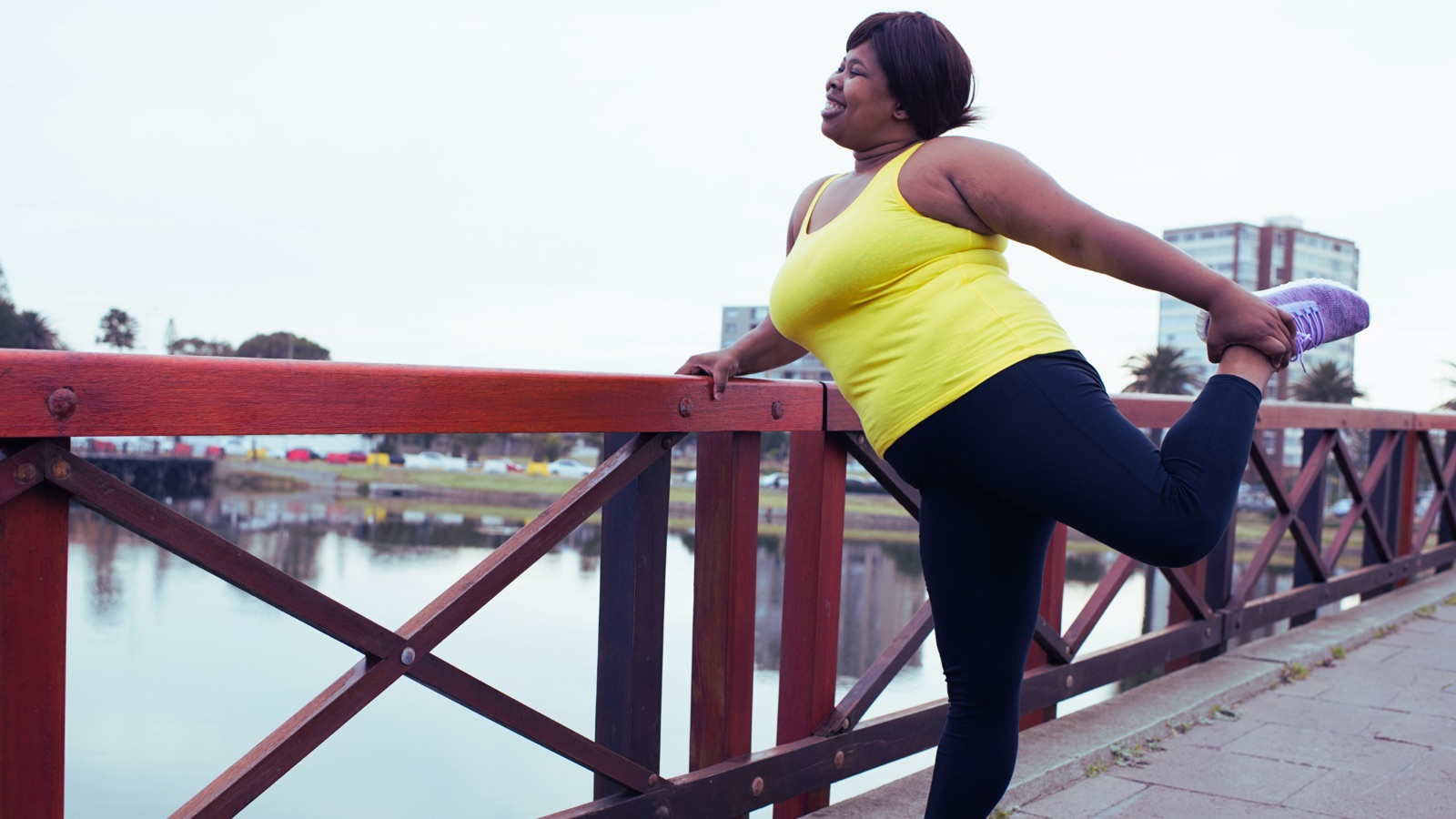
Weight-loss injections like Ozempic and Wegovy are reshaping bodies fast — but new data suggest they may also, quietly, be making people move less.
Researchers used wearable-tracker data from 753 adults with obesity in the NIH's All of Us programme, comparing their activity before and after they started a GLP-1 medication (the class that includes semaglutide and tirzepatide — Ozempic, Wegovy and Mounjaro).
After starting the drug, average daily steps fell from about 5,047 to 4,487 — a drop of 560 steps a day. Time spent in moderate-to-vigorous exercise also fell, from roughly 28 to 22 minutes a day. The declines were steepest in men and in people with musculoskeletal pain.
Why it matters: GLP-1 drugs cause weight loss that includes muscle as well as fat. If activity — especially the movement that protects muscle — falls at the same time, you can end up lighter but weaker. For women over 40, who are already losing muscle to age and the menopause transition, that's a combination worth taking seriously.
None of this is a reason to avoid these medicines, which can be genuinely transformative for the right person. It's an argument for pairing them with deliberate movement — particularly resistance training two or three times a week and enough protein — so the weight you lose is fat, and the muscle stays. The drug lowers appetite; it doesn't build strength. That part is still on us.
As ever, the caveats: this was a conference presentation, not yet peer-reviewed, and it shows what happened on average, not why for any one person. Some people feel more able to move as weight comes off. But the signal is a useful nudge to build activity in on purpose rather than assume it will follow.
What the research says
A study presented at ENDO 2026 (the Endocrine Society’s annual meeting) analysed wearable-device data from 753 adults with obesity in the NIH All of Us Research Program. After starting a GLP-1 receptor agonist, mean daily steps fell from 5,047 to 4,487 (−560 steps/day) and moderate-to-vigorous activity fell from 27.9 to 22.2 minutes/day (−5.7 min/day); both changes were statistically significant. Declines were largest in men and those with musculoskeletal pain. The work was a conference presentation and not yet peer-reviewed.
Endocrine Society (ENDO 2026) · Conference presentation ↗Frequently asked questions
Do GLP-1 drugs make you exercise less?
On average, in this study, yes — daily steps and exercise time both dropped modestly after people started. It's an association, not proof the drug directly reduces motivation, and individuals varied. But it's a reason to plan movement deliberately rather than assume it follows weight loss.
How do I protect muscle on a weight-loss drug?
Two levers matter most: resistance (strength) training two to three times a week, and eating enough protein. Because GLP-1 drugs reduce appetite, hitting protein targets takes intention. This is especially important for women over 40, who are already losing muscle with age.
The information on this website is educational and is not medical advice. Please consult your doctor if you have any doubts or further questions.